

Design is Collaborative
Why designing alone never really works

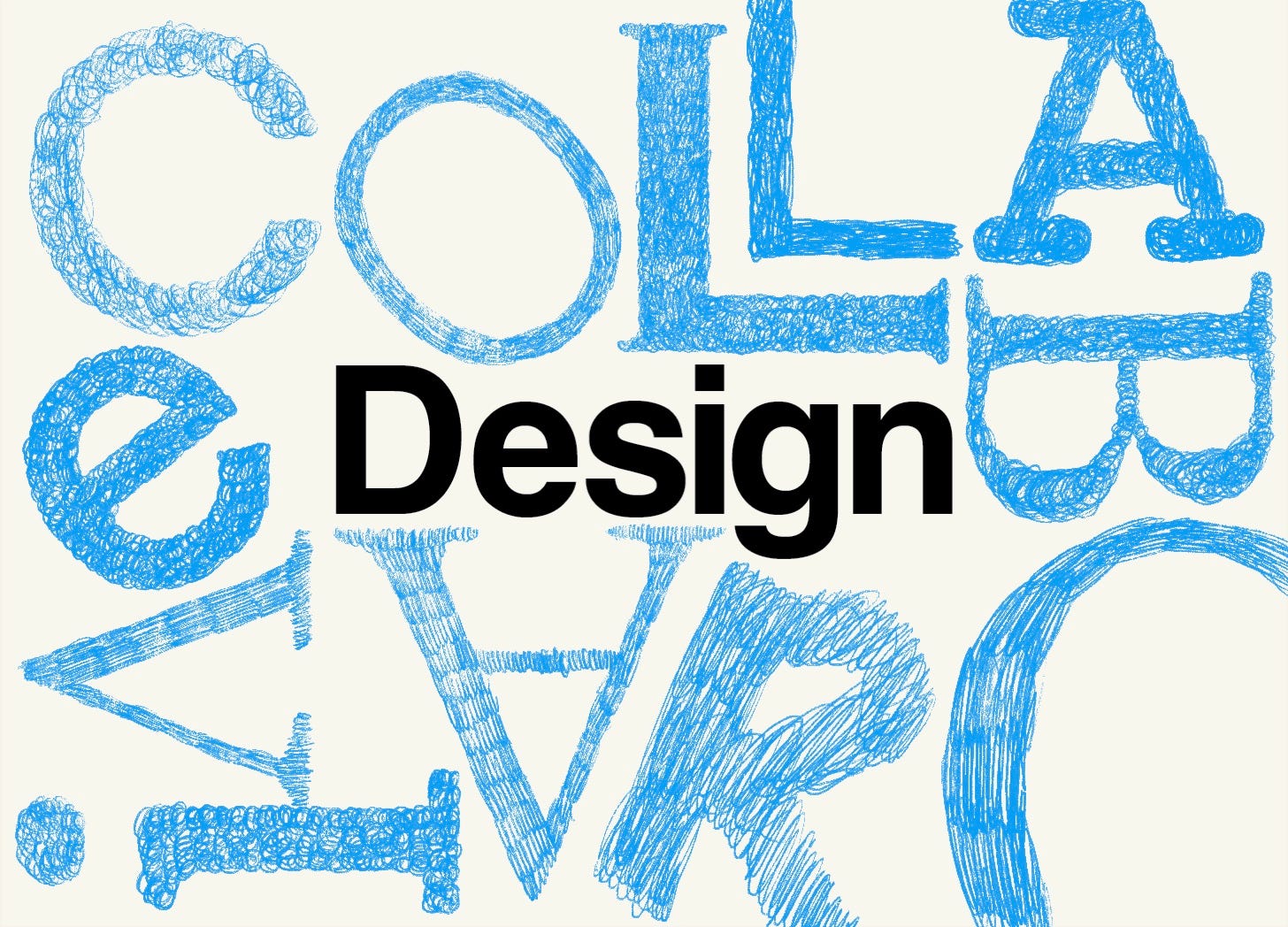
When our design decisions affect other people, working with them becomes a non-negotiable.
To be clear, the collaboration I’m referring to here isn’t about teamwork in the corporate sense. Design is collaborative because it needs to be done with the people it impacts, not just for them.
Collaboration is a practical necessity.
No single human can fully understand another person’s needs, context, emotions or constraints without our personal assumptions and biases sneaking in. And in all honesty, we can barely understand our own motivations, let alone someone else’s.
Designing with people helps us see more clearly and get closer to objectivity. It brings different perspectives, strengths, and experiences to the same space, helps keep our blind spots in check, allows others to challenge our default thinking, and helps us get to a fuller understanding to get to more effective solutions.
What collaboration looks like
Depending on the context, sometimes we simply observe and listen to them. Sometimes we brainstorm and test ideas together. Sometimes we create the space for honest conversations on things that affect them.
Collaboration doesn’t mean everyone contributes equally or actively all the time. With younger children, it might just look like including them in discussions. What matters is that people feel included and know their presence is welcome.
In practice, it can look something like this:
One person brings structure.
One brings big feelings.
One challenges outdated thinking.
One invites imagination.
One helps everyone follow through.
Each person brings an incomplete view or strength to the table. Effective collaboration requires facilitation. To give each one the space to contribute at the right moment. It needs someone to hold the space, guide the conversation, and experiment with ways of working that fit the context. Many families give up early because collaboration often feels chaotic at the start, and they decide it’s impossible.
If we want collaboration to be part of our family culture, those skills need to be learned, modelled, and nurtured over time.
Many parents often mistake collaboration for compliance. Wanting their kids to do what they think is right for them, even with good intentions, is really not collaboration.
The intention matters, especially at home.
When we design family culture, collaboration is not optional. A family, by definition, includes more than one person. When a person designs alone, even with good intentions, it often stems from their need to be in control. Shaping culture from a single perspective puts strain on the relationships over time.
Designing with our family builds trust, shared ownership, and a sense of belonging. Over time, collaboration becomes second nature, and collective intelligence becomes a lived experience.
More We, Less I.
Collaboration is built into human-centred design because we are all made different. And if we want to create something that serves more than ourselves, we have to practice doing it together, starting at home.
Related Posts:
Design is always about the people
Design, Family and Culture