

Design is a balance between Art and Science.
How design thinking unites art and science so we can use our whole brain to think better

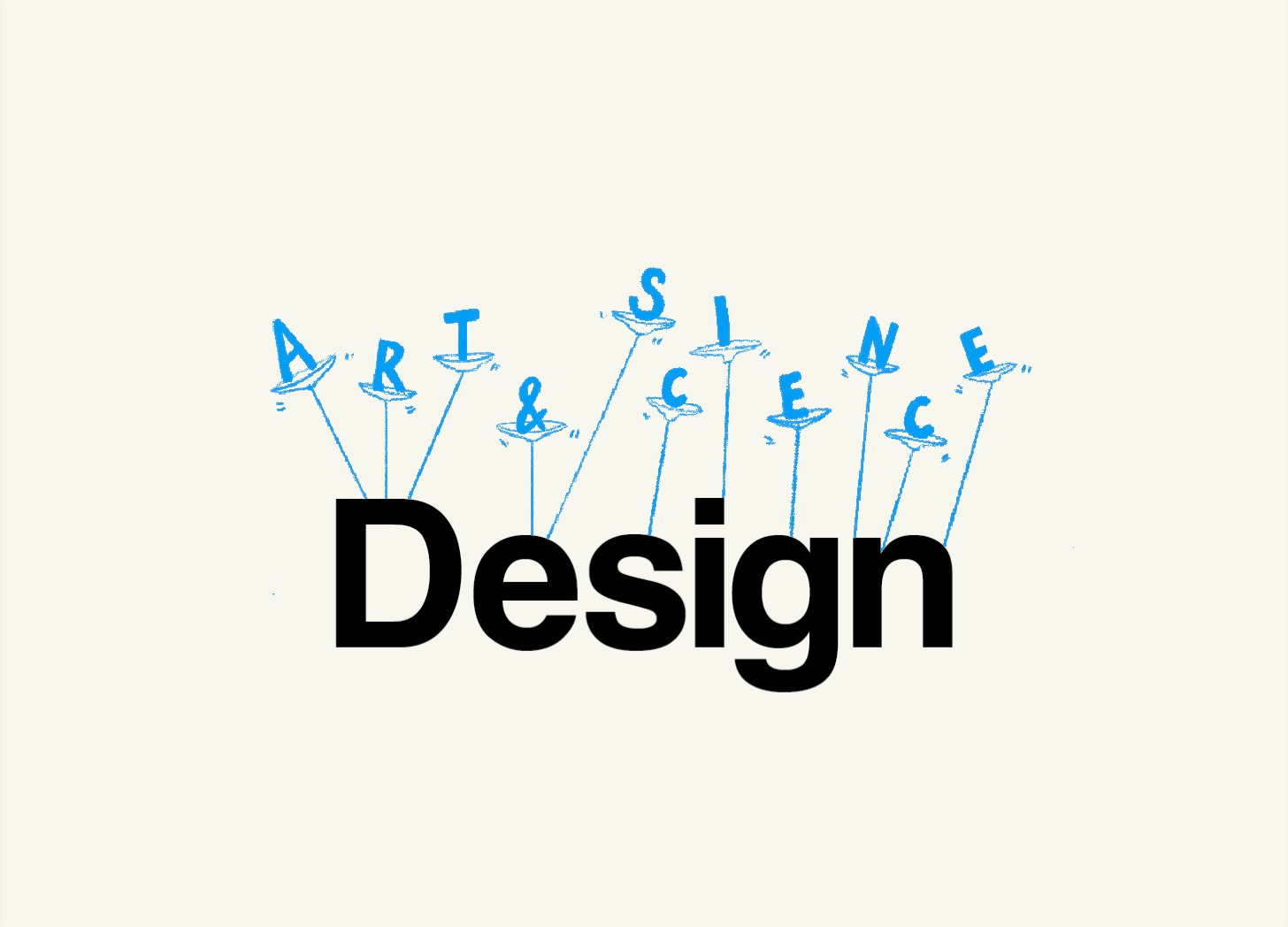
Design is often mistaken as something closer to art than to science. But design has always lived between both. The artistic output is what we see and experience, but the real work is the interwoven thinking and decisions behind it.
Art and science once felt like opposite forces. One emotional and expressive, the other structured and precise. For a long time, schools, systems and even career paths kept them separate. But across many fields today, they are more integrated than ever. Modern science studies behaviour, emotion, story and human experience. Art relies on data, psychology and research. They are far more connected than many of us were conditioned to believe. Yet we still grow up thinking we are either “creative” or “logical”, as if we have to choose a side.
Society rewards speed, certainty, and output, so we practise those parts of ourselves more. Curiosity, imagination and experimentation fade because we stop using them. This conditioning makes using our whole brain feel uncomfortable. It asks us to slow down when we want quick answers, to sit with uncertainty when we want control, and to imagine and test ideas that may not work. It also ask us to trust our instinct while also questioning it.
This tension is exactly what design thinking evolved to help us navigate. It grew out of decades of work across design, psychology, engineering, and education, as people realised that neither pure logic nor pure creativity was enough to solve real human problems. The design thinking framework gives both sides of us space to breathe, and nudges us to toggle between divergent and convergent thinking. It brings imagination and structure, feeling and thinking, into the same room, and offers a simple way for them to work together rather than in competition.
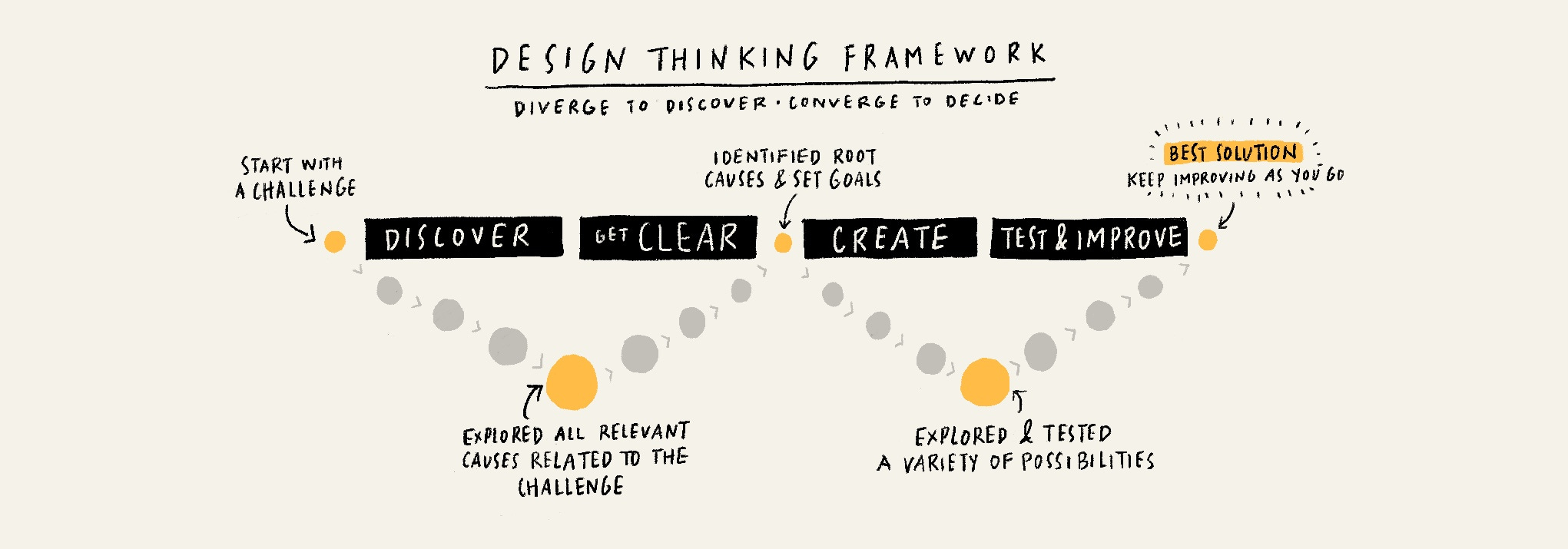
Many of us try to find our own version of balance. Creativity lives in our hobbies. Logic lives in our everyday routines. They often sit far apart, and we rarely practise bringing both into the same moment. But when thinking and feeling meet in the same situation, something shifts.
Home is the easiest place to practise this. Family life naturally needs both structure and sensitivity, logic and creativity. Start with something simple, like getting your toddler to brush their teeth without a meltdown. Bring your logical and creative self into the moment. Notice everyone’s emotions, spot patterns, imagine new ideas, experiment, adjust, repeat.
Over time, this becomes a more natural way of thinking. You begin to feel both sides of yourself working together, and you carry that into the other parts of your life.
Design thinking may have started with designers, but it was never meant to belong only to them. It is the meeting of logic and imagination, art and science, which is how every one of us is built. And we are all designers of our life, even if we do not call ourselves one.